


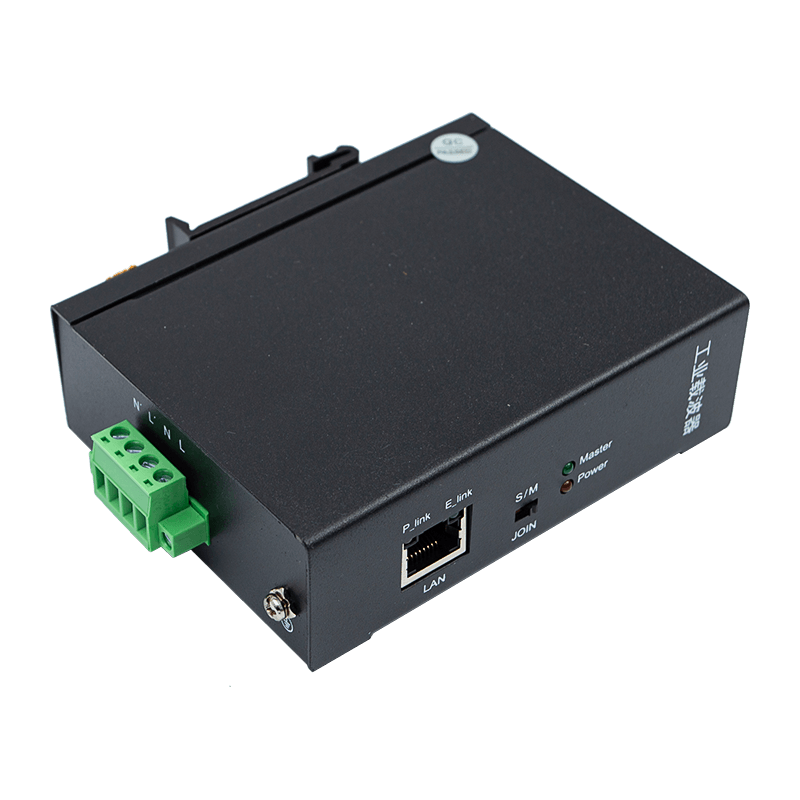
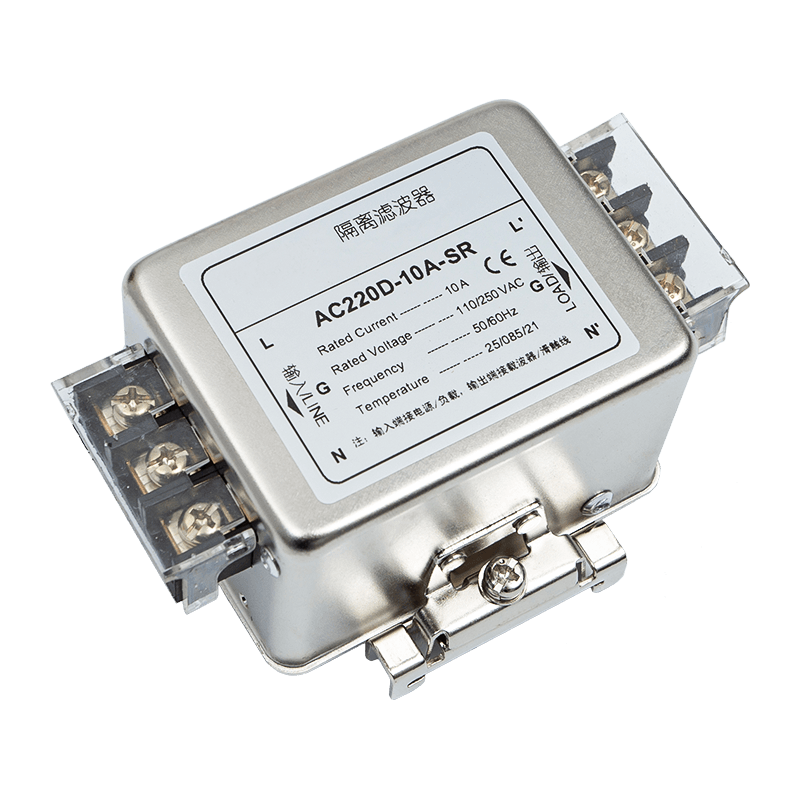
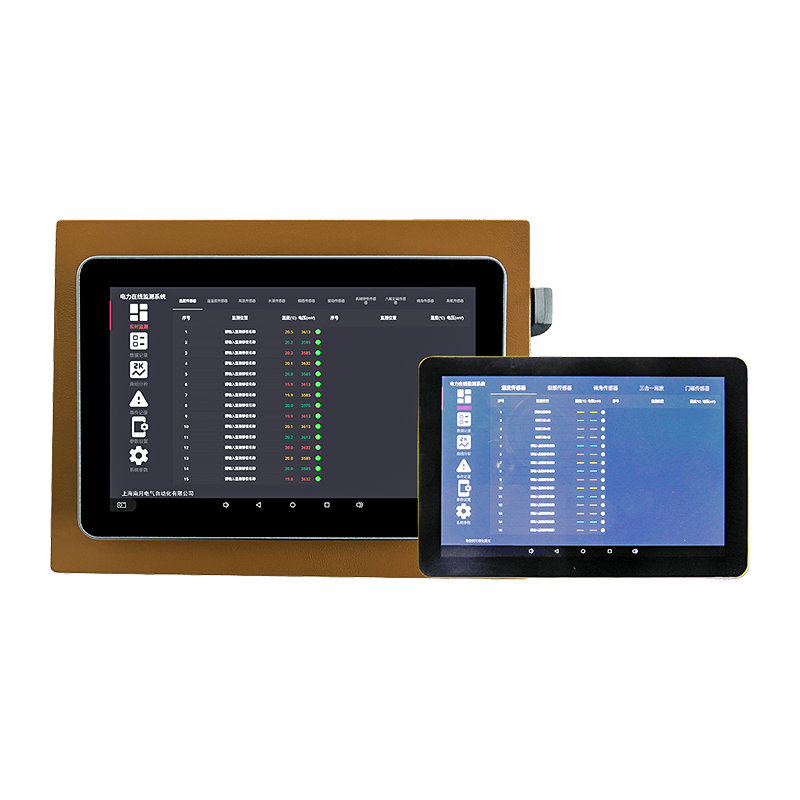
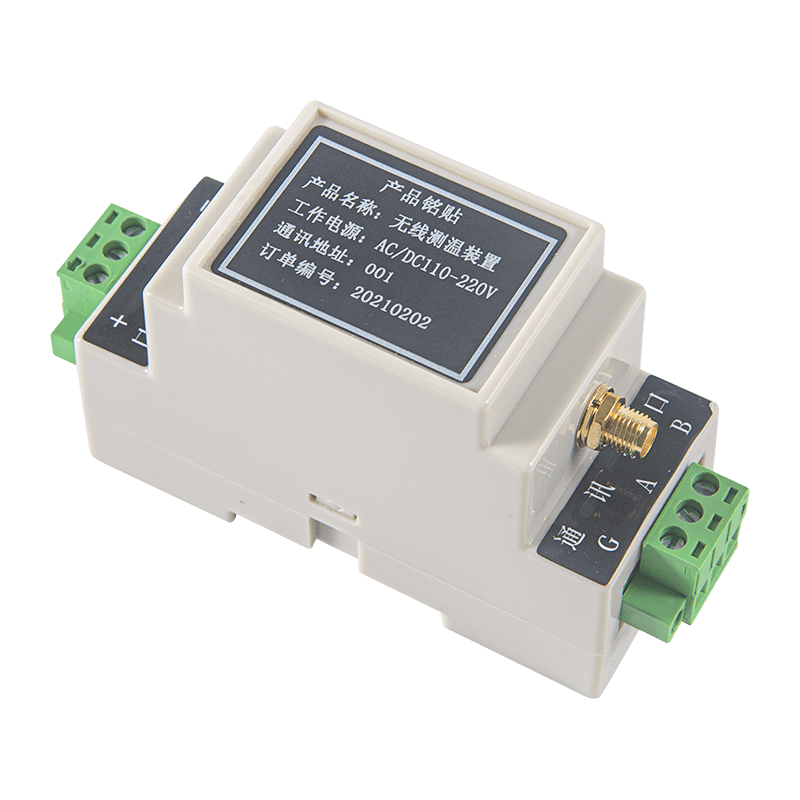
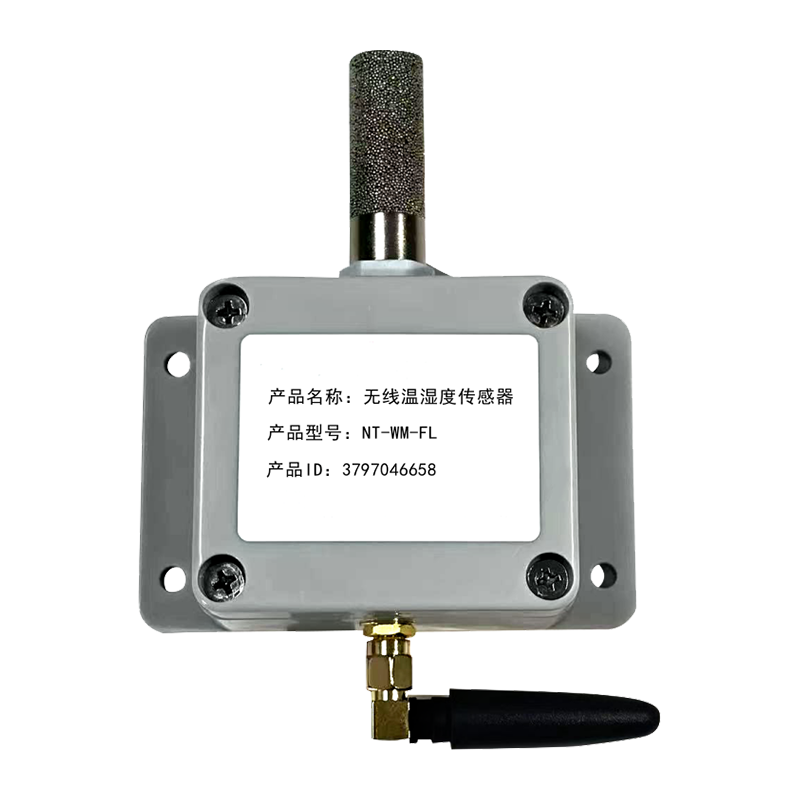
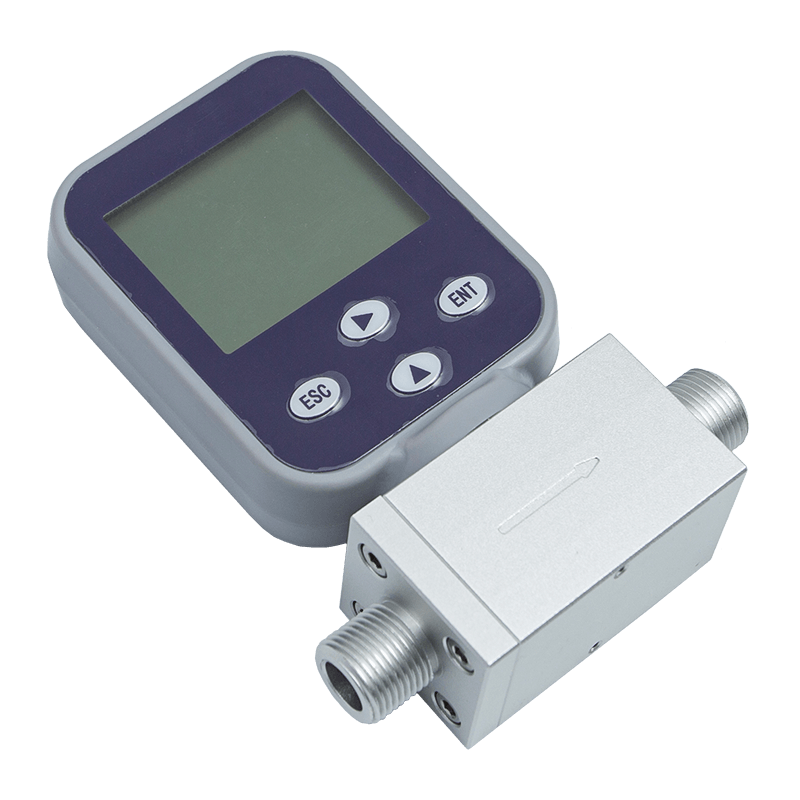
艾上云电子是一家致力于建设未来智能工厂的科技型企业。公司以打造高效、可靠、绿色的智能工厂为核心目标,依托在“数据感知”与“智能连接”方面的技术能力,通过自主研发的边缘层硬件产品及工业数据集成解决方案,为制造企业提供设备状态监测、精细化能源管理、生产过程优化等环节的整体解决方案,帮助企业构建高效、可靠、可持续的数字化生产能力。公司主要产品包括宽带电力线载波器、无线温度监测系统、变送器、流量计及自动门控制器,广泛应用于各类工业领域。
测量原理
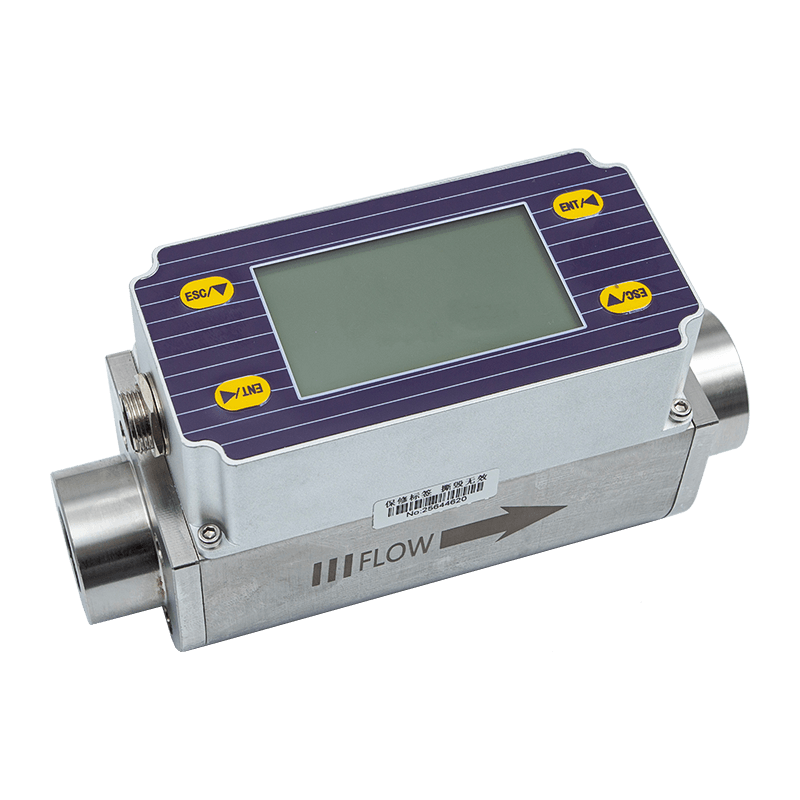
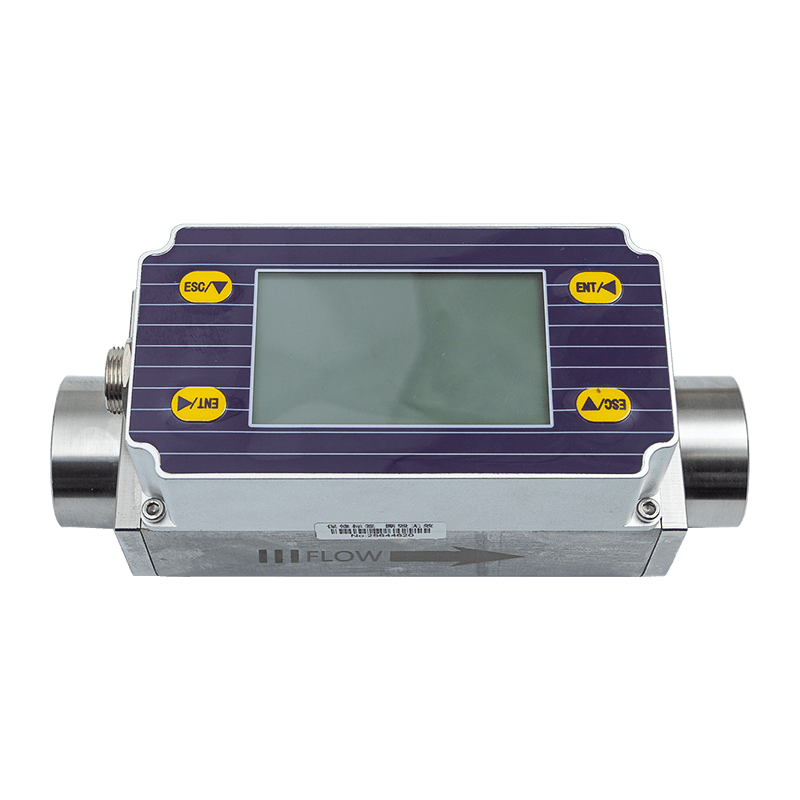
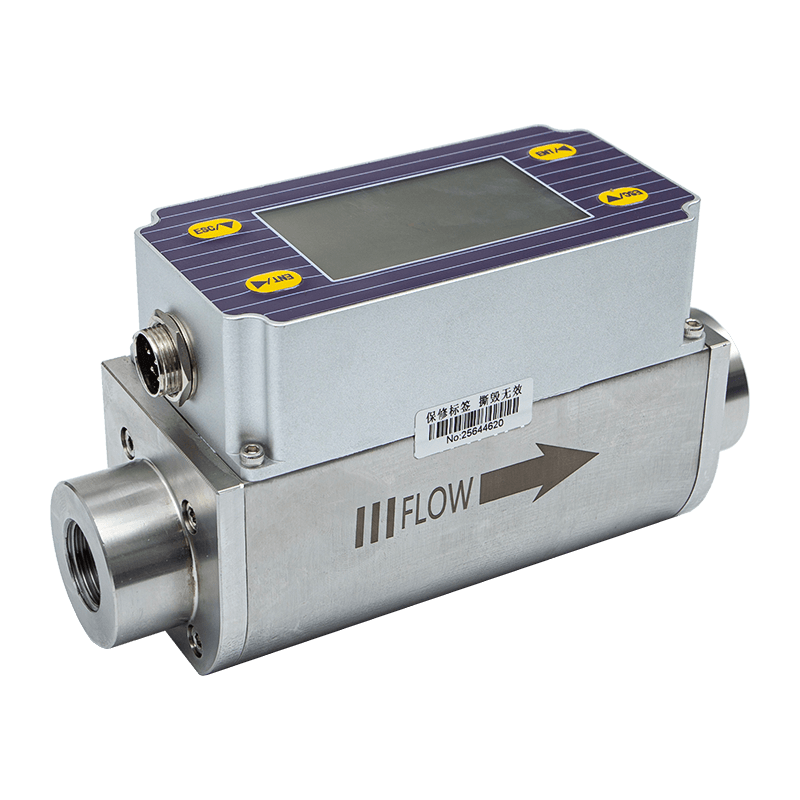
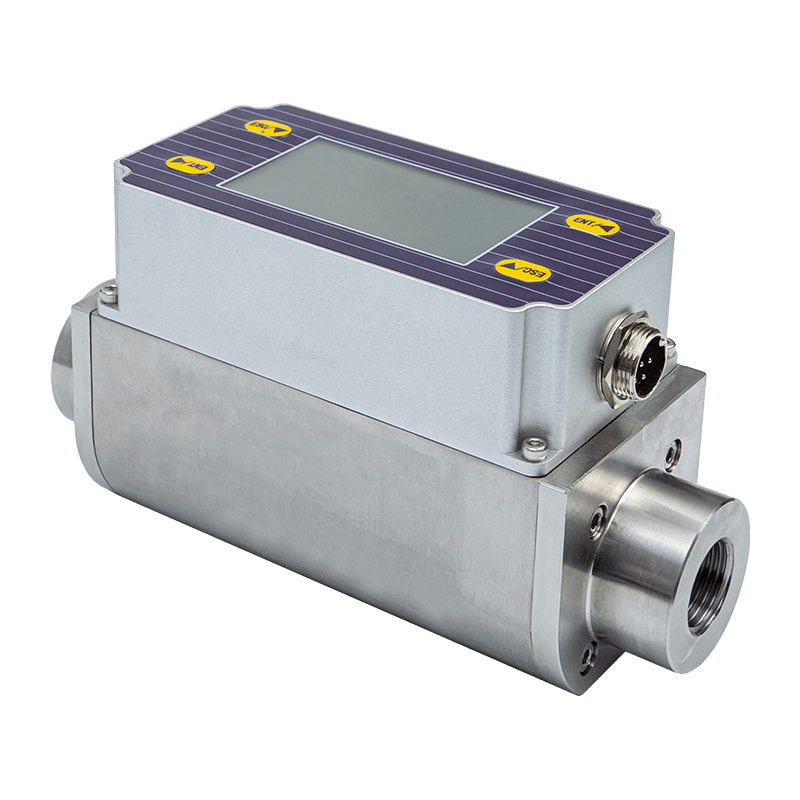
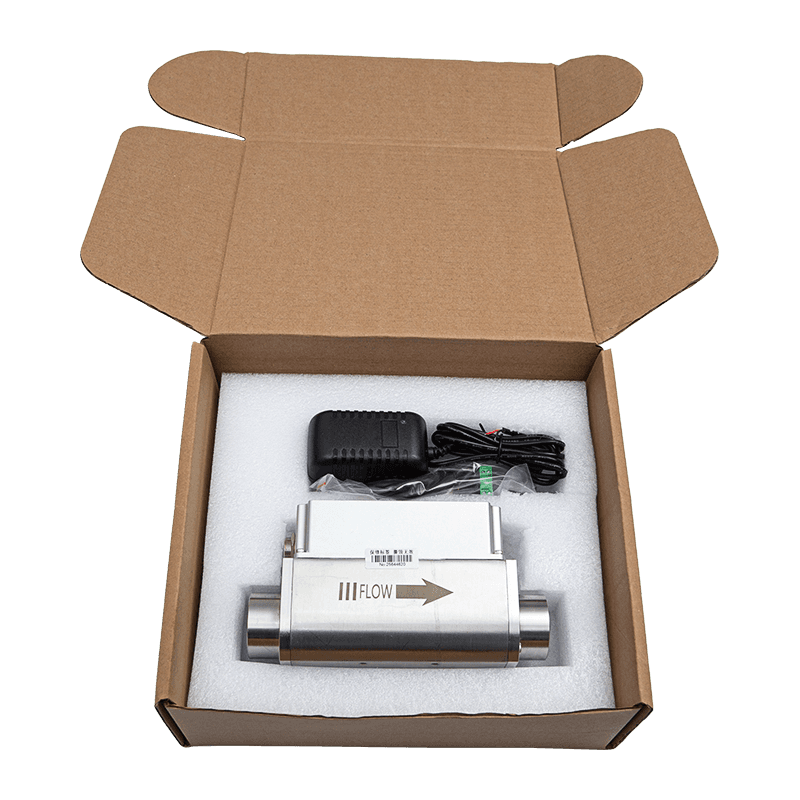
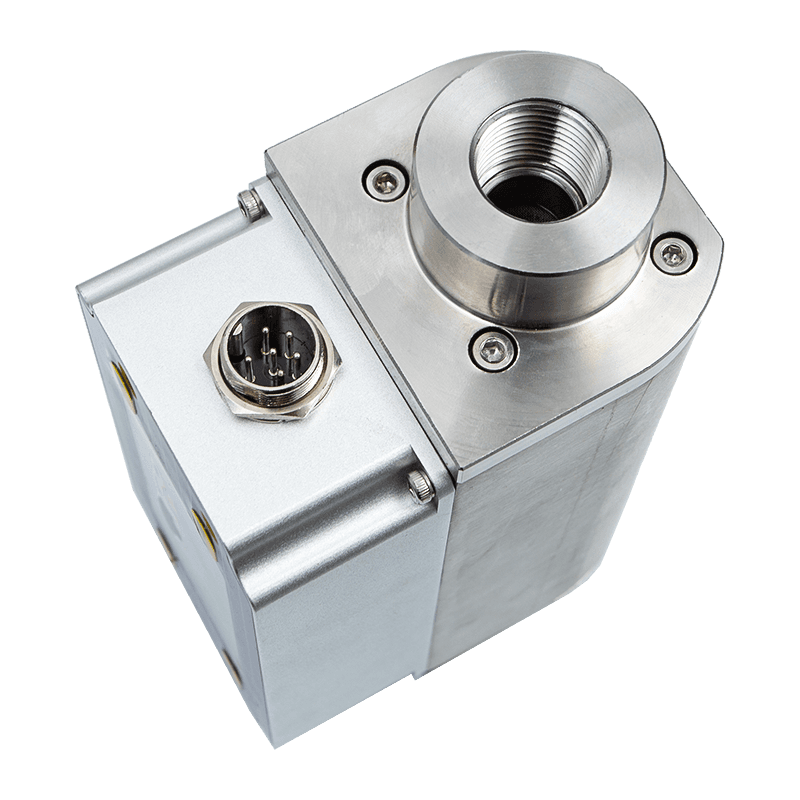
热式气体质量流量计是基于热扩散原理而设计的,该仪表采用恒温差法对气体进行准确测量。具有体积小、数字化程度高、安装方便,测量准确等优点。
传感器部分由两个基准级铂电阻温度传感器组成,仪表工作时,一个传感器不间断地测量介质温度T1;另一个传感器自加热到高于介质温度T2,它用于感测流体流速,称为速度传感器。该温度ΔT=T2-T1,T2>T1,当有流体流过时,由于气体分子碰撞传感器并将T2的热量带走,使T2的温度下降,若要使ΔT保持不变,就要提高T2的供电电流,气体流动速度热快,带走的热量也就越多,气体流速和增加的热量存在固定的函数关系,这就是恒温差原理。
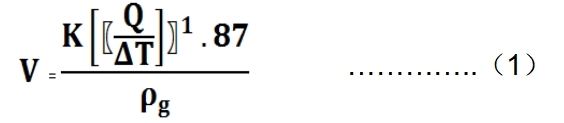
其中ρg— 流体比重(和密度相关)
V — 流速
K — 平衡系数
Q — 加热量(和比热及结构相关)
ΔT — 温度差
由于传感器温度比介质(环境)温度总是自动恒定高出30℃左右,所以热式气体流量计从原理上不需要温度补偿。
热式气体质量流量计适用介质温度范围为-40-220℃。
(1)式中流体比重和密度相关

其中ρg — 工况体积下的介质密度(kg/m3)
ρn — 标准条件下介质密度(101.325 Kpa、20℃)(kg/m3)
P — 工况压力(kPa)
T — 工况温度(℃)
从(1)(2)式可以看出,流速和工况压力,气体密度,工况温度函数关系已确定。
恒温差热式气体质量流量计不但不受温度影响,而且不受压力的影响,热式气体质量流量计是真正的直接式质量流量计,用户不必对压力和温度进行修正。
热式气体质量流量计具有如下技术优势:
● 真正的质量流量计,对气体流量测量无需温度和压力补偿,测量方便、准确。可得到气体的质量流量或者标准体积流量。
● 宽量程比,可测量流速高至100Nm/s底至0.5Nm/s的气体,可以用于气体检漏。
● 抗震性能好使用寿命长。传感器无活动部件和压力传感部件,不受震动对测量精度的影响。
● 安装维修简便。在现场条件允许的情况下,可以实现不停产安装和维护。(需要特殊定制)
● 数字化设计。整体数字化电路测量,测量准确、维修方便。
● 采用RS-485通讯,可以实现工厂自动化、集成化。
技术参数
|
性能 |
技术参数 |
|
结构形式 |
管道式 |
|
测量介质 |
各种气体(乙炔气除外) |
|
管径范围 |
DN25~50mm |
|
流速范围 |
1~100 Nm/s |
|
准确度 |
±1~2.5% |
|
工作温度 |
传感器:-40~+250℃ 转换器:-20~+55℃ |
|
工作压力 |
介质压力≤ 3.0MPa |
|
供电电源 |
DC24V/25W |
|
响应速度 |
1s |
|
输出信号 |
4-20mA(最大负载500Ω)、RS485 |
|
报警 |
无 |
|
供货类型 |
分体结构或一体化结构 |
|
管道材质 |
阳极铝 、不锈钢 |
|
现场显示 |
四行 汉字液晶显示 |
|
显示内容 |
标况体积流量、累积流量、标准流速等 |
|
防护等级 |
IP40 |
|
传感器材质 |
316不锈钢 |

艾上云电子是一家致力于建设未来智能工厂的科技型企业。公司以打造高效、可靠、绿色的智能工厂为核心目标,依托在“数据感知”与“智能连接”方面的技术能力,通过自主研发的边缘层硬件产品及工业数据集成解决方案,为制造企业提供设备状态监测、精细化能源管理、生产过程优化等环节的整体解决方案,帮助企业构建高效、可靠、可持续的数字化生产能力。公司主要产品包括宽带电力线载波器、无线温度监测系统、变送器、流量计及自动门控制器,广泛应用于各类工业领域。
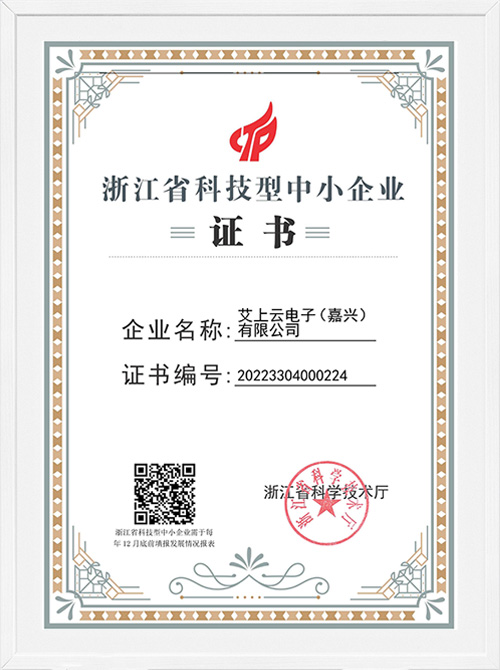
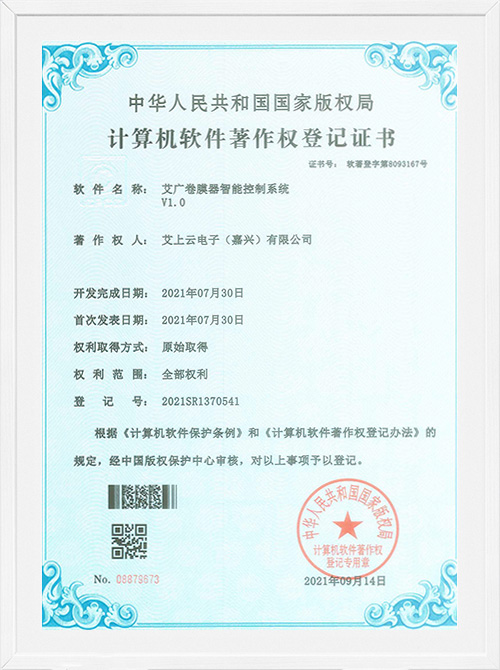
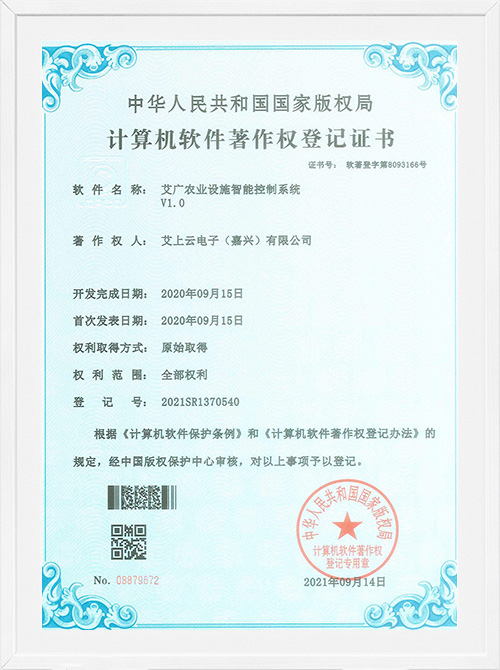
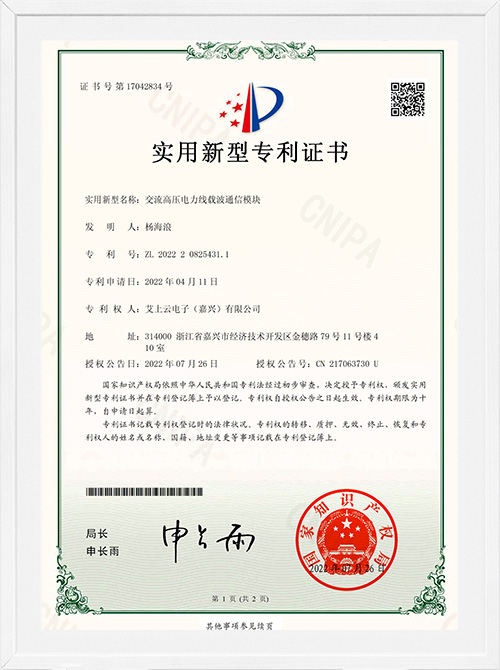
艾上云电子是一家专注于工业物联网的科技型企业,致力于构建数据驱动、高度协同、面向未来的智能工厂。公司以“数据感知”与“智能连接”为核心能力,通过自主研发的边缘层硬件及数据集成解决方案,为制造企业提供从设备状态监测、精细化能源管理到生产过程优化的整体解决方案,助力企业实现数字化、智能化转型。 公司聚焦五大核心产品,系统化构建智能工厂关键能力: 宽带电力线载波 — 利用电力线实现高效稳定的工业数据...
查看详情艾上云电子是一家专注于工业物联网的科技型企业,致力于构建数据驱动、高度协同、面向未来的智能工厂。公司以“数据感知”与“智能连接”为核心能力,通过自主研发的边缘层硬件及数据集成解决方案,为制造企业提供从设备状态监测、精细化能源管理到生产过程优化的整体解决方案,助力企业实现数字化、智能化转型。 公司聚焦五大核心产品,系统化构建智能工厂关键能力: 宽带电力线载波 — 利用电力线实现高效稳定的工业数据...
查看详情艾上云电子是一家专注于工业物联网的科技型企业,致力于构建数据驱动、高度协同、面向未来的智能工厂。公司以“数据感知”与“智能连接”为核心能力,通过自主研发的边缘层硬件及数据集成解决方案,为制造企业提供从设备状态监测、精细化能源管理到生产过程优化的整体解决方案,助力企业实现数字化、智能化转型。 公司聚焦五大核心产品,系统化构建智能工厂关键能力: 宽带电力线载波 — 利用电力线实现高效稳定的工业数据...
查看详情艾上云电子是一家专注于工业物联网的科技型企业,致力于构建数据驱动、高度协同、面向未来的智能工厂。公司以“数据感知”与“智能连接”为核心能力,通过自主研发的边缘层硬件及数据集成解决方案,为制造企业提供从设备状态监测、精细化能源管理到生产过程优化的整体解决方案,助力企业实现数字化、智能化转型。 公司聚焦五大核心产品,系统化构建智能工厂关键能力: 宽带电力线载波 — 利用电力线实现高效稳定的工业数据...
查看详情OEM/ODM服务
我们提供专业的OEM和ODM服务,以满足您的需求。
WhatsApp:
18157343325
快速链接
联系我们
对于您的每一次技术咨询,我们都确保在24小时内给予专业回复。
